Crispy Artisan Pizza Dough with Gourmet Bubbles Recipe
Introduction
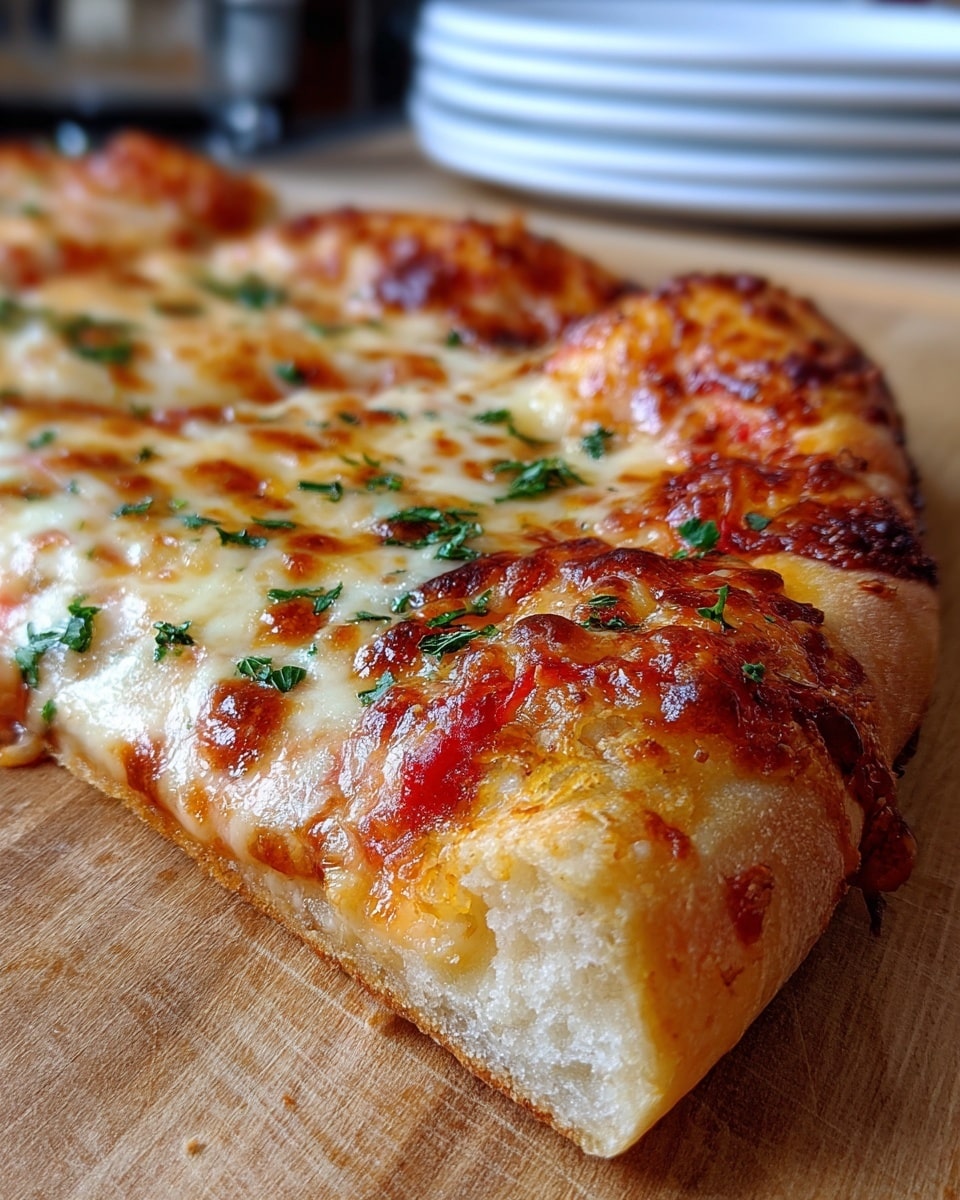
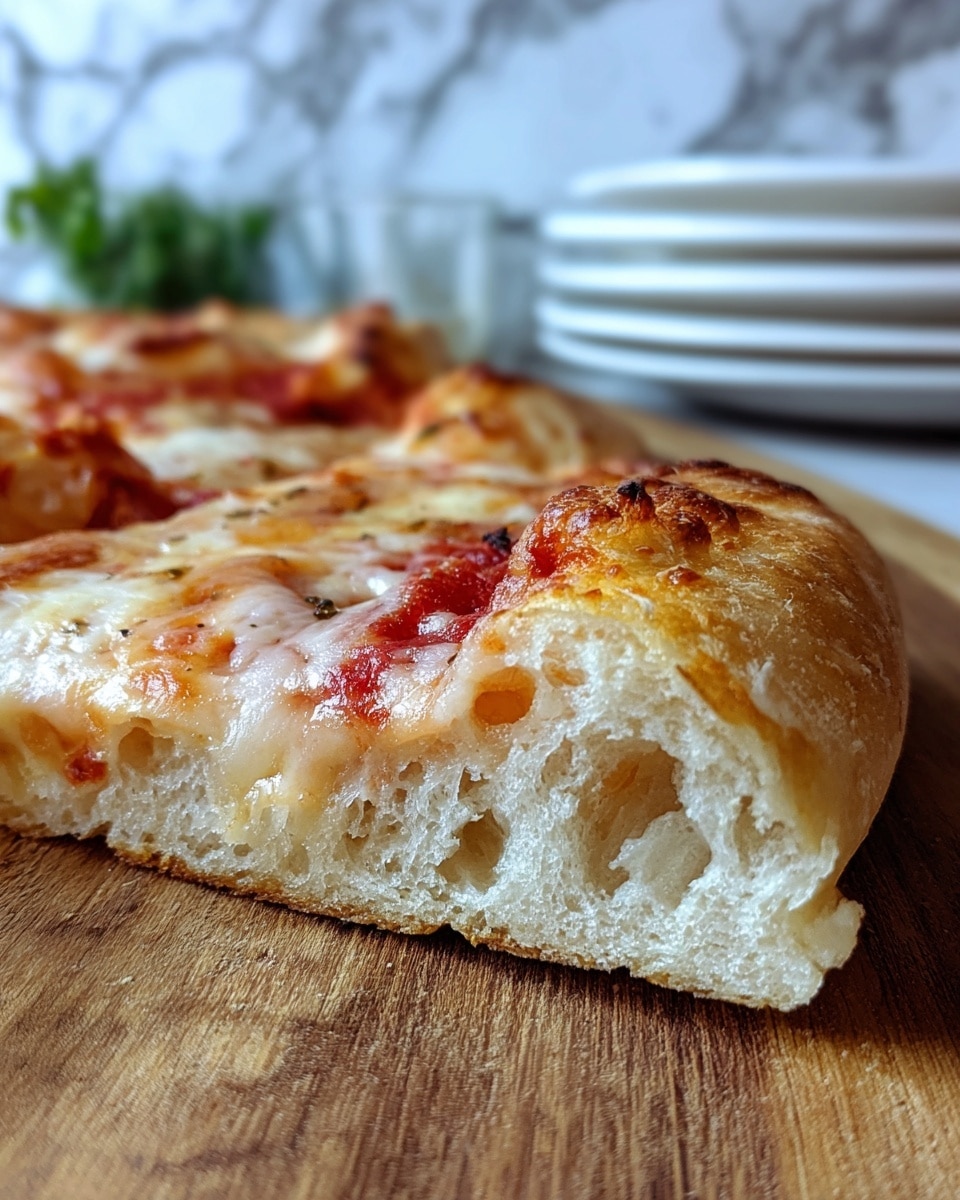
This artisan pizza dough recipe yields a crispy, chewy, and bubbly crust that’s perfect for homemade pizzas. With a long fermentation and simple folding technique, it develops excellent texture and flavor. Whether you bake on a pizza stone or in a cast iron pan, this dough delivers restaurant-quality results at home.
Ingredients
- 500g (3 3/4 cups plus 2 tbsp) all-purpose flour
- 375g (1 1/2 cups plus 2 tbsp) warm water, divided
- 1g (1/4 tsp) active dry yeast
- 10g (1 1/2 tsp) fine salt
Instructions
- Step 1: In a large bowl, mix the flour with all but 1 tablespoon of the warm water until just combined. Cover and let it rest for 20 minutes. Meanwhile, sprinkle the yeast over the remaining warm water and set aside to dissolve.
- Step 2: Sprinkle the salt over the dough’s surface. Stir the yeast mixture and pour it over the dough. Wet your hand slightly to reduce sticking, then fold the dough by stretching sections over the top repeatedly. Pinch off 5 to 6 chunks, fold the dough over itself several times, and repeat until the yeast and salt are fully incorporated into a shaggy dough. Cover and rest for about 1 hour.
- Step 3: Develop the gluten by folding the dough again. Wet your hand, reach under the dough, stretch a section upwards, and fold it over the center. Rotate the bowl and repeat 4 to 5 times until the dough tightens into a ball. Invert the dough into a clean, lightly greased bowl with the seam down and a smooth top. Cover and allow it to rise until doubled, about 5 to 6 hours.
- Step 4: Turn the dough onto a floured surface and divide it in half. Shape each piece into a ball by stretching one edge and folding it towards the center. Repeat with all edges until a loose ball forms. Place the ball seam-side down on an unfloured surface, then cup your hands around it and gently drag the dough towards you on the counter to create tension. Rotate and repeat until the surface tightens and becomes smooth and round.
- Step 5: Transfer the dough balls to a greased plate, lightly oil the tops, cover, and let rest at room temperature for about 1 hour. If not using immediately, cover tightly with plastic wrap and refrigerate for up to 2 days. Preheat the oven during this resting time.
- Step 6: Place a pizza steel, stone, or inverted baking sheet on the middle oven rack and preheat to 500°F (or the highest temperature). Let it heat for at least 45 minutes. Prepare a floured pizza peel or lightly oil a cast iron pan.
- Step 7: On a floured surface, flatten one dough ball into a large disk, leaving a 1-inch thick edge. Hold the thick edge and gently use gravity to stretch the dough into a 12-inch circle. Transfer to the pizza peel and adjust the shape. Ensure it’s not sticking by jiggling the peel, adding more flour if necessary. Alternatively, shape the dough to fit your cast iron pan and place it inside.
- Step 8: Add your favorite sauce and toppings, leaving the 1-inch perimeter free. Slide the pizza onto the hot steel and bake for 5 minutes. Turn on the broiler and broil for 2 to 4 minutes until the cheese melts and the crust is golden and blistered. If using a cast iron pan, bake for 15 to 20 minutes, then broil briefly to add spots of char. Repeat with remaining dough and toppings.
Tips & Variations
- Use bread flour instead of all-purpose for an even chewier crust.
- For extra flavor, let the dough ferment in the refrigerator for up to 48 hours instead of room temperature.
- Adding a bit of olive oil to the dough can create a softer crust, but omit if you want a chewier texture.
- If you don’t have a pizza stone or steel, using an inverted baking sheet works well to mimic a hot surface.
Storage
Store unused dough balls tightly wrapped in plastic wrap or in an airtight container in the refrigerator for up to 2 days. Before using, let the dough come to room temperature for about an hour. For longer storage, freeze the dough balls for up to 3 months and thaw in the refrigerator overnight. Reheat gently before shaping.
How to Serve
Serve this delicious recipe with your favorite sides.
FAQs
Can I use instant yeast instead of active dry yeast?
Yes, you can substitute instant yeast for active dry yeast. Use the same amount, but you can mix instant yeast directly with the flour without dissolving it in water first.
How long can I let the dough rise?
The dough can rise at room temperature for 5 to 6 hours as directed. For a slower, more flavorful rise, refrigerate for up to 48 hours. Avoid letting it rise too long at warm temperatures to prevent overproofing.
PrintCrispy Artisan Pizza Dough with Gourmet Bubbles Recipe

This artisan pizza dough recipe yields a crispy, chewy, and bubbly crust perfect for homemade pizzas. Using a slow fermentation process and minimal ingredients, the dough develops excellent texture and flavor, making it ideal for baking on a pizza stone, steel, or in a cast iron pan. The recipe includes detailed folding and resting steps to build gluten structure and produce an airy, flavorful crust.
- Prep Time: 1 hour 20 minutes (includes mixing, resting, shaping)
- Cook Time: 15 minutes (baking and broiling combined)
- Total Time: 8 hours 15 minutes (including long rise time)
- Yield: 2 pizzas (12-inch each) 1x
- Category: Bread/Dough
- Method: Baking
- Cuisine: Italian
Ingredients
Dough Ingredients
- 500g (3 3/4 cups plus 2 tbsp) all-purpose flour
- 375g (1 1/2 cups plus 2 tbsp) warm water, divided
- 1g (1/4 tsp) active dry yeast
- 10g (1 1/2 tsp) fine salt
Instructions
- Initial Mixing and Rest: Mix the flour with all but 1 tablespoon of the warm water in a large bowl until just combined, then cover and let rest for 20 minutes. Sprinkle the yeast into the reserved tablespoon of warm water and set aside to dissolve.
- Add Yeast and Salt; Fold Dough: Sprinkle salt over the dough surface. Stir the yeast mixture and pour it over the dough. Using a wet hand, fold the dough repeatedly by stretching sections over the top and pinching off chunks, until a shaggy dough forms incorporating the yeast and salt. Cover and rest for about an hour.
- First Gluten Development Fold and Bulk Fermentation: Wet your hand and fold the dough one time by stretching sections upward and folding over the center, rotating the bowl and repeating 4-5 times to tighten the dough into a ball. Invert the dough ball seam-side down into a greased bowl, cover, and let rise at room temperature until doubled in volume, about 5-6 hours.
- Divide and Shape Dough Balls: Turn the dough onto a floured surface and cut in half. For each half, stretch each edge over the center to form a loose ball, then turn seam-side down and gently pull and drag the dough on the counter while rotating to tighten and create tension, forming a smooth round ball.
- Proof Dough Balls: Transfer dough balls to a greased plate, lightly oil tops, cover, and let rest at room temperature for about one hour. Meanwhile preheat the oven. If not baking immediately, cover tightly and refrigerate for up to 2 days.
- Preheat Oven and Prepare Baking Surface: Place a pizza steel, stone, or inverted baking sheet on the middle oven rack and preheat to 500°F (or highest oven temperature) for at least 45 minutes to ensure thorough heating.
- Shape Pizza Dough: Generously flour a pizza peel and flatten one dough ball into a disk with a thick 1-inch lip. Lift by the edge and use gravity to stretch into a 12-inch circle. Place on the floured peel and adjust shape, ensuring it moves easily. Alternatively, shape dough to fit a cast iron pan greased with olive oil.
- Add Toppings and Bake: Add sauce and toppings, leaving the outer 1-inch rim clear. Slide pizza onto the hot steel and bake for 5 minutes. Turn on the broiler and broil for 2-4 minutes until cheese melts and crust blisters and turns golden. If using a cast iron pan, bake for 15-20 minutes and broil briefly at the end for charred spots.
- Repeat: Repeat the shaping, topping, and baking process with the remaining dough ball and desired toppings.
Notes
- Using a pizza stone or steel preheated for at least 45 minutes is crucial for a crispy crust.
- If not baking immediately, dough can be refrigerated for up to 2 days, but bring back to room temperature before shaping.
- Wet your hands slightly when folding to prevent sticking.
- Adjust oven broiling times to avoid burning the toppings; watch carefully during this stage.
- For gluten development, multiple stretches and folds during resting improve dough elasticity and texture.
Keywords: artisan pizza dough, pizza crust, crispy pizza dough, chewy pizza dough, homemade pizza, bubbly pizza crust, slow rise pizza dough